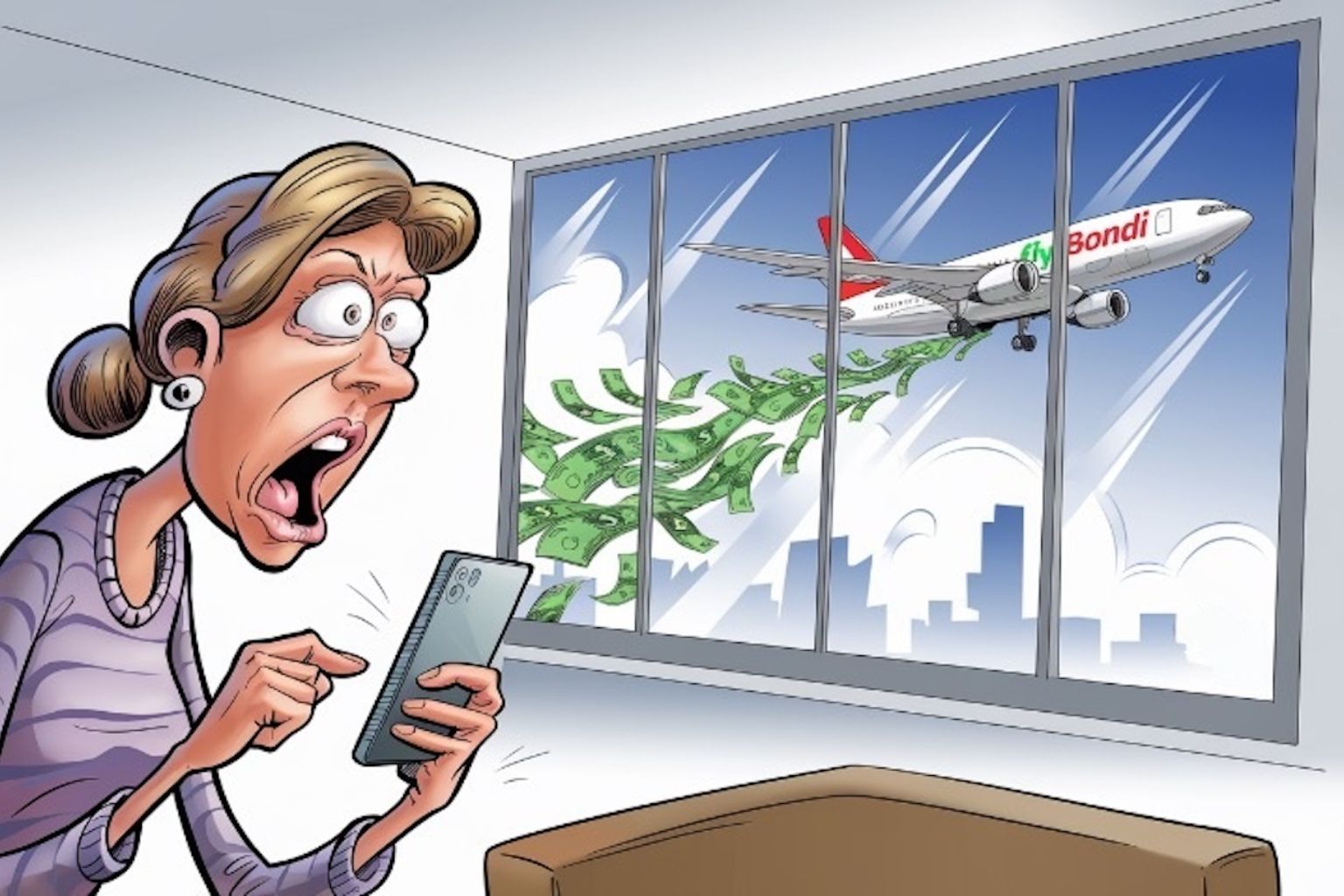
When Booking.com refunds Elaine Treacy for a canceled vacation rental, it transfers her money to someone else’s credit card. How can she get her money back?
Question
I reserved a villa in Alicante, Spain, through Booking.com and paid in full. Three days before my trip, Booking.com canceled the reservation and offered little help in getting an alternative. I found a new property on Booking.com, but it cost $1,000 more.
Booking.com agreed to refund the difference and credited the amount to my Booking.com wallet. However, without my authorization, it then transferred the funds to an unknown credit card. Despite numerous emails and phone calls, Booking.com ignored my requests for an explanation. Can you help? – Elaine Treacy, Commugny, Switzerland
Answer
Booking.com should have done everything it could to help you find an alternative when it had to cancel your reservation. Transferring your refund to the wrong account just added insult to injury.
You did the right thing by documenting your communications with Booking.com and persistently seeking an explanation.
Here’s what should happen: If an accommodation provider cancels your reservation, which is what appeared to have happen, then Booking.com should have notified you as soon as possible — not three days before your trip. It also should have tried to find suitable alternative accommodation. If it wasn’t available, then Booking.com should have given you a full refund. Additionally, in some cases where the cancellation is the provider’s fault, Booking.com should have offered additional compensation, especially if there’s a price difference between the canceled vacation rental and the replacement.
Booking.com didn’t give you enough time, and you had to negotiate the $1,000 compensation (it should have just offered it). And, of course, it shouldn’t have sent your refund to a mysterious third party.
You could have tried contacting a manager at Booking.com for help. Sometimes escalating the issue can lead to a faster resolution. I publish the names, numbers and email addresses of Booking.com’s executives on my consumer advocacy site, Elliott.org.
In cases like this, where a company ignores a legitimate complaint, sometimes involving a third party, like a consumer advocate, can help.
I contacted Booking.com on your behalf. After weeks of back and forth, Booking.com claimed they found no suspicious activity on your account. In other words, the company believed you had transferred your refund from your Booking.com wallet to someone else’s credit card.
You then contacted executives at Booking.com and threatened to report them to the National Cyber Security Centre and Interpol. Booking.com then contacted you directly and issued a full refund to your bank account.
It’s unfortunate that it took such extreme measures to get your refund. This situation highlights the importance of staying vigilant and persistent when dealing with travel companies. Remember to always document your communications and escalate the issue if you hit a dead end.